How mobile money became East Africa’s operating system
Long before neobanks and super apps, a text message based wallet quietly rewired how tens of millions of people pay, save and get paid. Here is how the model works, why it still wins, and what comes next.
Nijuze Staff · 12 Sept 2026 · 2 min read
You have 2 free articles left this month.
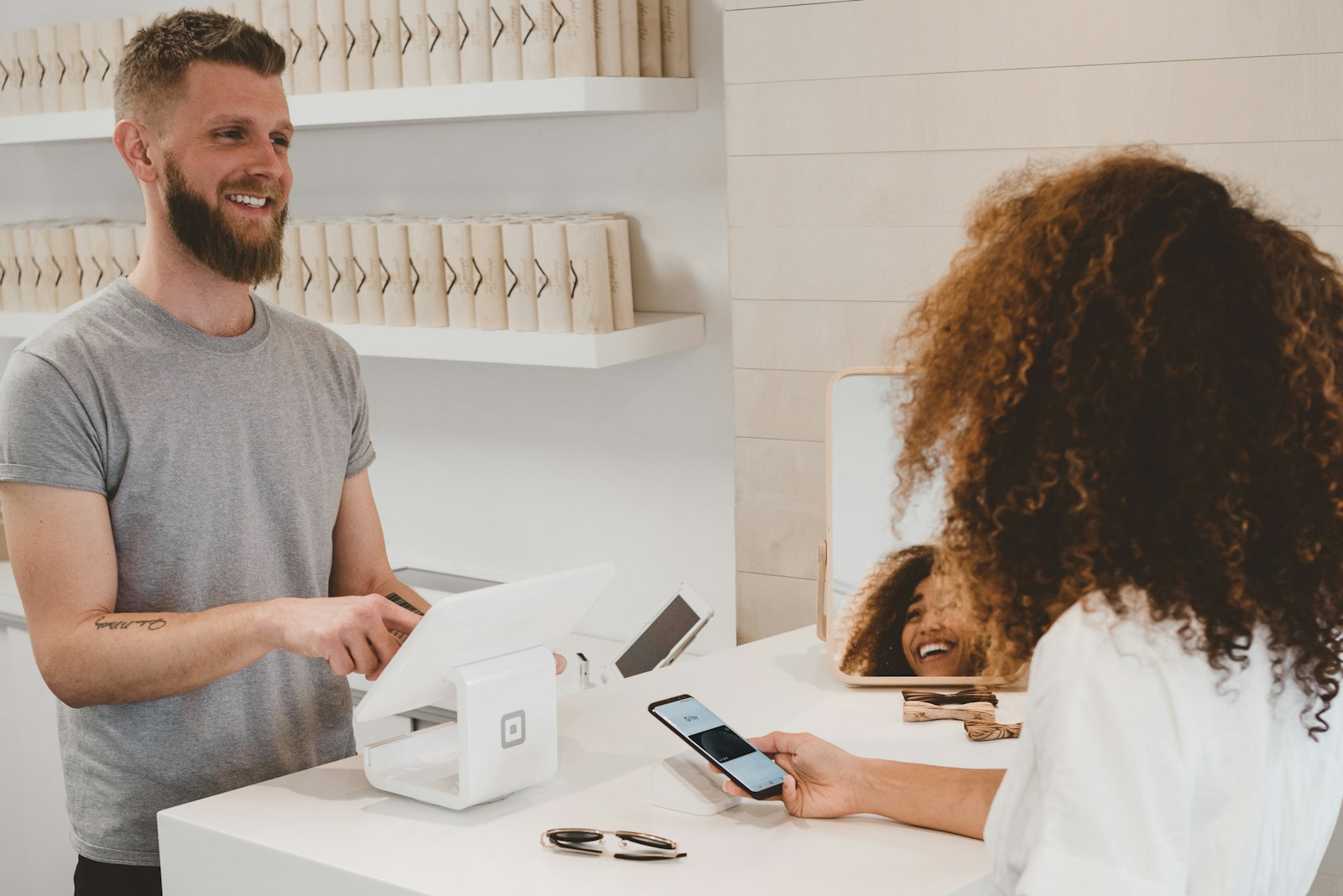
Get unlimited access →Members can log in from the account page.Ask almost anyone in Dar es Salaam how they paid for lunch, a bus fare or their electricity this week and the answer is rarely cash or card. It is a wallet tied to a phone number. Mobile money is so embedded in daily life that it has stopped being a product and become infrastructure, the layer everything else is built on.
Why it worked here first
Three things lined up. Mobile networks reached villages long before bank branches did. Agents, the small shops that convert cash to digital value and back, gave the system a physical footprint that a bank could never afford. And the user experience asked nothing of the customer: no smartphone, no app, no data bundle, just a USSD menu.
What the numbers hide
Headline transaction values are impressive, but the more interesting story is what people do with the rails. Merchants accept payments through till numbers. Employers pay wages. Governments collect fees. Savings and micro loan products sit on top of the wallet, and cross border transfers between Tanzania, Kenya, Uganda and Rwanda are increasingly instant.
The pressure points
Interoperability between operators has improved, but fees remain a constant complaint, and every change to transaction levies sends ripples through the informal economy. Fintech startups now compete to build on top of these rails rather than replace them, which is why the most successful local products look less like a bank and more like a well designed layer over what already exists.
What to watch
Expect more merchant tooling, more embedded lending, and a steady push from card networks and global wallets to plug into the same agent networks. The winners will be whoever makes it easiest for a small business to get paid and reconcile the money afterwards.
Nijuze Staff
Writes for Nijuze. Published 12 Sept 2026.
The Nijuze Brief
Tech, social and AI news that matters, in your inbox every week.
Read next

How to make money online from Tanzania: the complete 2026 guide
Freelancing, remote jobs, content, digital products, e commerce and services. What actually pays, what it takes, and how to get paid. Part one of our special edition.
Nijuze Staff · 12 Sept 2026 · 2 min read

Seven things to check before buying a budget Android phone
Spec sheets are designed to confuse you. Here is what actually matters when you have a limited budget and need the phone to last three years.
Nijuze Staff · 11 Sept 2026 · 2 min read

A founder’s guide to the Tanzanian startup ecosystem
Hubs, funders, regulators and the informal networks that actually move things. If you are building in Tanzania or thinking about it, start here.
Nijuze Staff · 10 Sept 2026 · 2 min read